
Counselling for Trauma-Related Concerns in Montreal
For adults experiencing the lasting impact of difficult experiences, including intrusive thoughts, emotional reactivity, hypervigilance, or a persistent sense of being on edge. A structured approach focused on stabilization, emotional regulation, and improving day-to-day functioning.

You've learned to manage it. But it's still affecting you.
You've gotten good at functioning, pushing through the day, keeping things moving, not letting it show. But something from the past keeps finding its way into the present. You notice it in how your body responds to certain situations, how quickly you can shift from calm to overwhelmed, how hard it is to feel settled even when things are objectively fine. You've tried to leave it behind. It hasn't worked.
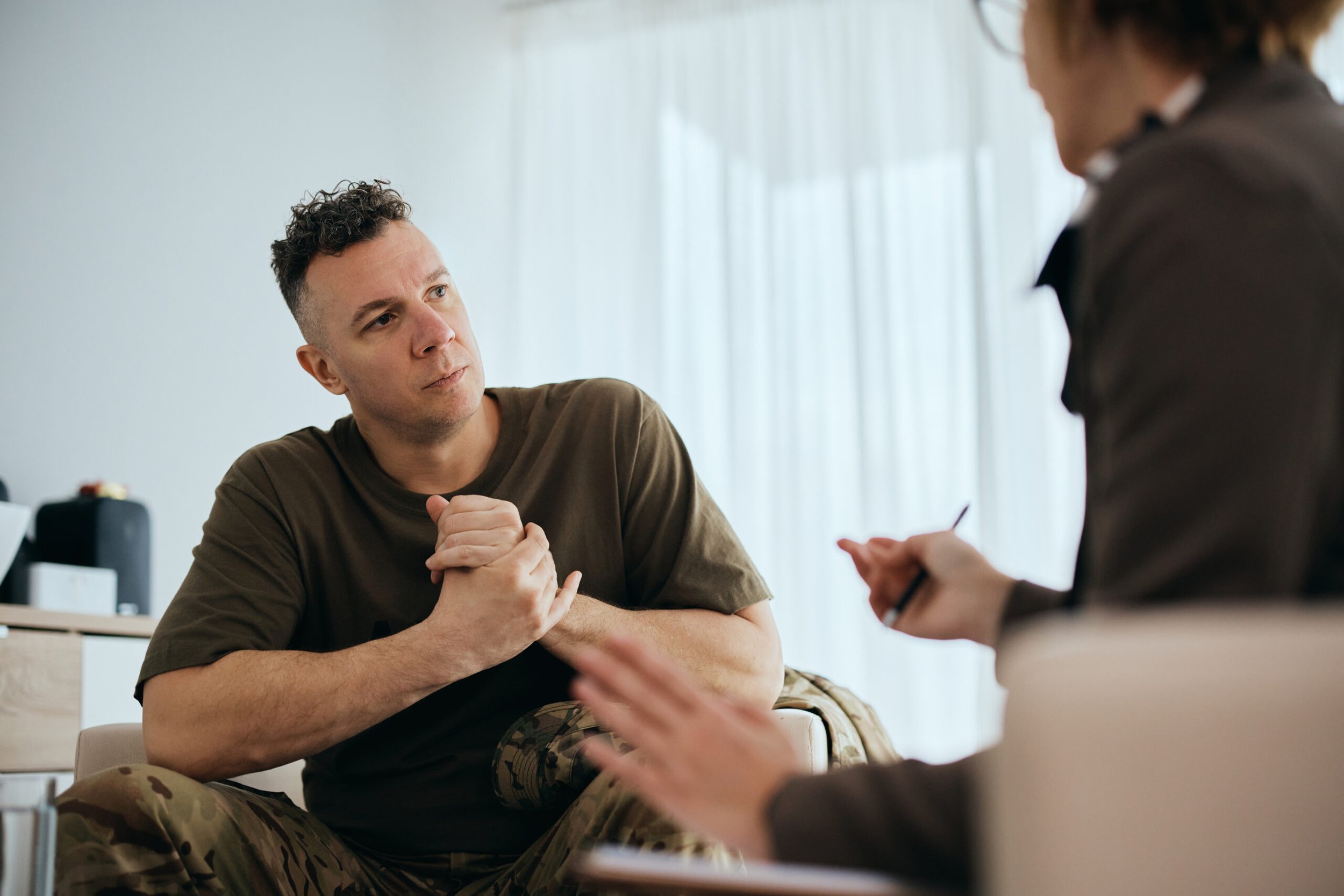
When you notice patterns like…
A persistent sense of being on edge, even in situations that are objectively safe
Intrusive thoughts or memories that surface without warning
Emotional reactions that feel out of proportion to what's happening
Difficulty feeling present or connected in daily life
Physical responses (tension, restlessness, difficulty sleeping) that don't seem to settle
Avoiding situations, people, or places that bring on a strong reaction
A feeling that no matter how much time has passed, something hasn't shifted
What is Counselling for Trauma-Related Concerns?
Difficult experiences can continue to affect how people think, feel, relate to others, and respond to stress long after the event itself has passed. Sometimes the effects are obvious. Other times they show up indirectly through hypervigilance, emotional reactivity, avoidance, difficulty trusting others, or a persistent sense of feeling unsafe.
Counselling focuses on understanding how these experiences continue to influence present-day functioning and building greater stability, flexibility, and regulation. The emphasis is not on revisiting the past repeatedly, but on reducing its impact on your life today.
Jorgia works with adults across Montreal, primarily in-person at her office, with online sessions available when needed.

What Counselling for Trauma-Related Concerns Can Support
SupportsIntrusive thoughts & memories
Unwanted thoughts, images, or memories that surface without warning and are difficult to redirect.
SupportsHypervigilance
A persistent state of alertness or unease that doesn't turn off, even when you're safe.
SupportsEmotional reactivity
Responses that feel disproportionate or difficult to regulate, especially in triggering situations
SupportsAvoidance patterns
Steering clear of situations, people, or places that bring on difficult feelings.
SupportsSleep disruption
Difficulty settling, staying asleep, or feeling rested, often tied to an overactive nervous system.
SupportsDisconnection from self & others
A sense of being detached from yourself, others, or the present moment.
SupportsDifficulty feeling safe
A persistent sense of being unsettled or on guard, even when nothing is wrong.
SupportsRelationship difficulties related to past experiences.
The ways earlier experiences shape trust, closeness, and connection now.
You don’t need to have all the answers. You just need a willingness to begin. Jorgia is here to help you figure out what’s next, with steady, compassionate support.

Approaches Used in Counselling for Trauma-Related Concerns
Trauma-related work focuses on helping clients understand how difficult experiences continue to affect current functioning. Sessions emphasize stabilization, emotional regulation, nervous system awareness, and the gradual development of greater safety and flexibility.
Approaches are selected based on the individual's needs, pace, and capacity, with a focus on building stability before exploring more difficult material.
What Counselling for Trauma-Related Concerns Can Help You Work Toward
Progress often looks less dramatic than people expect, and more useful. Feeling more settled. Reacting differently to things that used to overwhelm you. Functioning better day-to-day.
Over time, you may start to notice that you:
Feel less on edge in situations that used to trigger a strong response
Manage intrusive thoughts more effectively rather than being pulled under by them
Notice physical tension or reactivity earlier, and have tools to work with it
Sleep better and feel more rested
Feel more present and connected in daily life
Respond to difficulty with more flexibility rather than automatic reaction
Experience more stability and continuity in your day-to-day functioning
-
A brief, no-pressure call to understand what brought you here, what you'd like to work on, and whether Jorgia's approach is the right fit. There's no commitment to continue. If counselling isn't the right step right now, or Jorgia isn't the right counsellor for you, she'll say so and point you in a useful direction.
-
No. The focus of sessions is on your current experience: how you're functioning, what you're noticing in your body and your responses, and what tools might help. Some people find it useful to discuss past events; others don't need to in order to make progress. The pace and focus are guided by what feels manageable and productive for you.
-
You don't need a specific type of experience to benefit from counselling. If difficult experiences are affecting how you feel, function, or respond, regardless of whether you'd label them as traumatic, that's a reasonable basis for reaching out. The focus is on your current experience, not on whether what happened meets a particular definition.
-
Many extended health plans in Canada cover sessions with a Canadian Certified Counsellor (CCC). Coverage varies by provider and plan. I'd recommend checking your policy directly to confirm that CCC services are included. I provide receipts after each session for reimbursement purposes.
Frequently Asked Questions

Schedule a free 15-minute consultation
An opportunity to discuss what you're experiencing, ask questions, and determine whether this approach is the right fit.