
Couples Counselling In Montreal
For partners looking to better understand recurring conflict, improve communication, and build a stronger foundation, with a structured, goal-oriented approach.

You know things could be better. The question is where to start.
Most couples who seek counselling aren't in crisis, they're stuck. The same patterns keep surfacing. Conversations that should be straightforward turn into conflict. You care about the relationship, but something keeps getting in the way. Counselling provides a structured space to understand what's driving those patterns and develop more effective ways of responding, together.
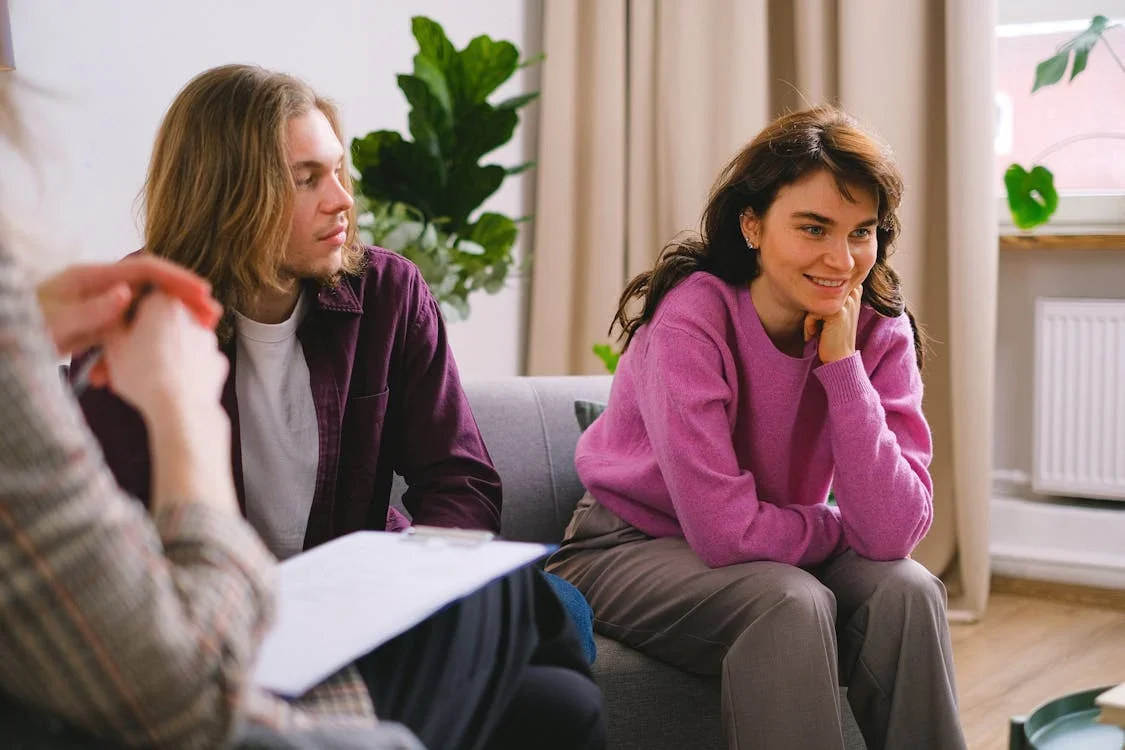
When you notice patterns like...
The same argument keeps repeating, no matter how it starts
Conversations that feel productive end in frustration
Small things escalate quickly and take a long time to recover from
You feel more distant than you used to, and aren't sure why
Emotional reactions that feel out of proportion to what's happening
A sense that you're not hearing each other, even when you're trying
A feeling that you've already tried to fix things and nothing has stuck
What is Couples Counselling?
Couples counselling provides a structured space to better understand the patterns that develop between partners over time. While disagreements are normal, recurring conflict often reflects deeper interactional patterns that leave both people feeling misunderstood, disconnected, or stuck.
Sessions focus on identifying these patterns, improving communication, increasing understanding of each other's emotional responses, and developing more effective ways of navigating conflict. The goal is not to determine who is right, but to help partners work together more effectively.
What Couples Counselling Can Support
SupportsCommunication difficulties
The kind where conversations feel more like stalemates than exchanges.
SupportsRecurring conflict
The same argument, different day, with no clear path to resolution.
SupportsEmotional disconnection
When you're in the same space but feel increasingly far apart.
SupportsLife transitions affecting the relationship
Changes that shift roles, routines, and how you relate to each other.
SupportsStress & its impact on the relationship
When what's happening outside starts affecting what's happening between you.
SupportsTrust and connection concerns
Finding a way back to each other after trust or closeness has been strained.
SupportsDifferences in needs or expectations
Navigating mismatches in what each partner wants or needs.
SupportsRepair following periods of conflict
Rebuilding after things have broken down or felt stuck.
You don't need to have all the answers. You just need a willingness to begin. Jorgia is here to help you figure out what's next, with steady, compassionate support.

Approaches Used In Couples Counselling
Couples counselling focuses on understanding relationship dynamics rather than assigning blame. Sessions help partners identify recurring cycles, understand how each person's responses influence the relationship, and develop practical communication and problem-solving skills.
The emphasis is on strengthening the relationship system itself rather than changing one individual partner.
Postive Outcomes From Couples Counselling
Couples counselling isn't about assigning blame. It's about understanding what's driving the disconnect, and developing practical tools to respond differently.
Over time, you may start to notice that you:
Communicate more clearly, even during difficult conversations
Understand your own and each other's emotional responses better
Break recurring cycles of conflict and disconnection
Feel less reactive and more able to stay grounded under pressure
Rebuild a sense of trust and shared direction
Feel more connected and less like you're navigating things separately
-
A brief, no-pressure call to understand what brought you here, what you'd like to work on, and whether my approach is the right fit. There's no commitment to continue. If counselling isn't the right step right now, or I'm not the right counsellor for you, I'll say so and point you in a useful direction.
-
You don't need to be in crisis to benefit from couples counselling. If you're noticing recurring conflict, difficulty communicating, growing distance, or a sense that the same issues keep surfacing without resolution, those are reasonable reasons to reach out. Many couples come to counselling not because things are falling apart, but because they want to understand what's getting in the way before it does. A free 15-minute consultation is a good starting point if you're unsure.
-
The research on structured, evidence-informed couples counselling is generally positive, particularly when both partners are engaged and sessions are goal-oriented. Outcomes depend on a number of factors, including how long patterns have been established and what each partner is hoping to get from the process. I won't promise a specific result, but I can offer a clear, structured approach and an honest assessment of whether counselling is likely to be useful for your situation.
-
It varies depending on what you're working through. Some couples come for a focused period of 8 to 12 sessions with a specific goal in mind. Others find value in working together longer. I typically recommend starting with weekly sessions and reassessing from there. We'll have an ongoing conversation about progress and whether the frequency or focus needs to shift.
-
Ideally, yes. Couples counselling tends to be most effective when both partners are willing to engage. That said, one partner being more hesitant than the other is very common, and it doesn't mean counselling won't be useful. If you're uncertain, the free 15-minute consultation is a low-commitment way to ask questions and get a sense of the process before committing.
Frequently Asked Questions

Schedule a free 15-minute consultation.
An opportunity to discuss what you're experiencing, ask questions, and determine whether this approach is the right fit.